
Long-haired breeds require a preventive, structured grooming regimen focused on fiber integrity, skin health, and owner-managed interventions. Brushing is daily or multi-times weekly, working from tips to skin with appropriate brushes to prevent tangles and mats. Bathing occurs every 4–8 weeks using pH-balanced cleansers and thorough rinsing. Nutrition rich in omega fatty acids supports coat resilience. Early tangle management and targeted tools reduce professional dependence pet grooming. Continue for practical protocols, specific tool lists, and step-by-step detangling techniques.
Understanding Different Coat Types
In evaluating long-haired breeds, coat types are classified by fiber composition, density, length, and growth pattern; these variables determine tangling propensity, shedding rate, and grooming frequency. Classification emphasizes coat density and undercoat presence, influencing insulation and mobility. Assessment predicts seasonal shedding cycles and maintenance burden. Recommendations prioritize autonomous owner choice, balancing freedom with predictable intervention schedules based on measurable coat parameters.
Daily Brushing Techniques
Selection of an appropriate brush is defined by coat density and length, with slicker brushes, pin brushes, and wide-tooth combs serving distinct functions. Daily technique emphasizes starting at the tips to remove surface tangles, then working methodically toward the skin to prevent mat formation. Consistent short sessions and immediate spot treatment for emerging tangles reduce grooming time and minimize coat damage.
Brush Type Selection
Multiple brush types are evaluated against hair length, density, and skin sensitivity to determine ideal daily use. Selection prioritizes minimal restraint and effective maintenance: slicker brush for surface debris and light mat removal; pin brush for fluff preservation and circulation. Firmness, head size, and handle ergonomics are quantified pet universe starlux. Recommendations favor modular kits enabling user autonomy while protecting epidermal integrity and coat architecture.
Tangle Prevention Steps
Consistently, daily brushing follows a systematic progression to prevent tangles: begin by separating the coat into manageable sections, gently work from tips toward the skin to avoid knot tightening, and employ the appropriate brush type and angle for each zone based on hair density and skin sensitivity. Use tangle repellent sprays sparingly, institute pulley combing for dense mats, monitor skin response, and maintain steady rhythm.
Bathing Frequency and Best Practices
Typically, long-haired breeds require bathing every 4–8 weeks depending on coat condition, activity level, and skin health. Bathing frequency should be assessed individually, using pH-balanced cleansers and measured water temperature. Rinse thoroughly to prevent residue. Drying techniques must prioritize rapid moisture removal: absorbent towels, low-heat blow drying while brushing to align fibers, and ensuring full dryness to protect skin and coat integrity.
Preventing and Removing Mats Safely
Early detection of small tangles minimizes progression to dense mats and reduces the need for invasive removal. When mats form, technicians use incremental, gentle detangling with appropriate tools and lubricant rather than forceful cutting to protect skin and coat integrity. Consistent daily routines—brushing high-friction zones, monitoring seasonal changes, and addressing debris promptly—serve as the primary preventive strategy.
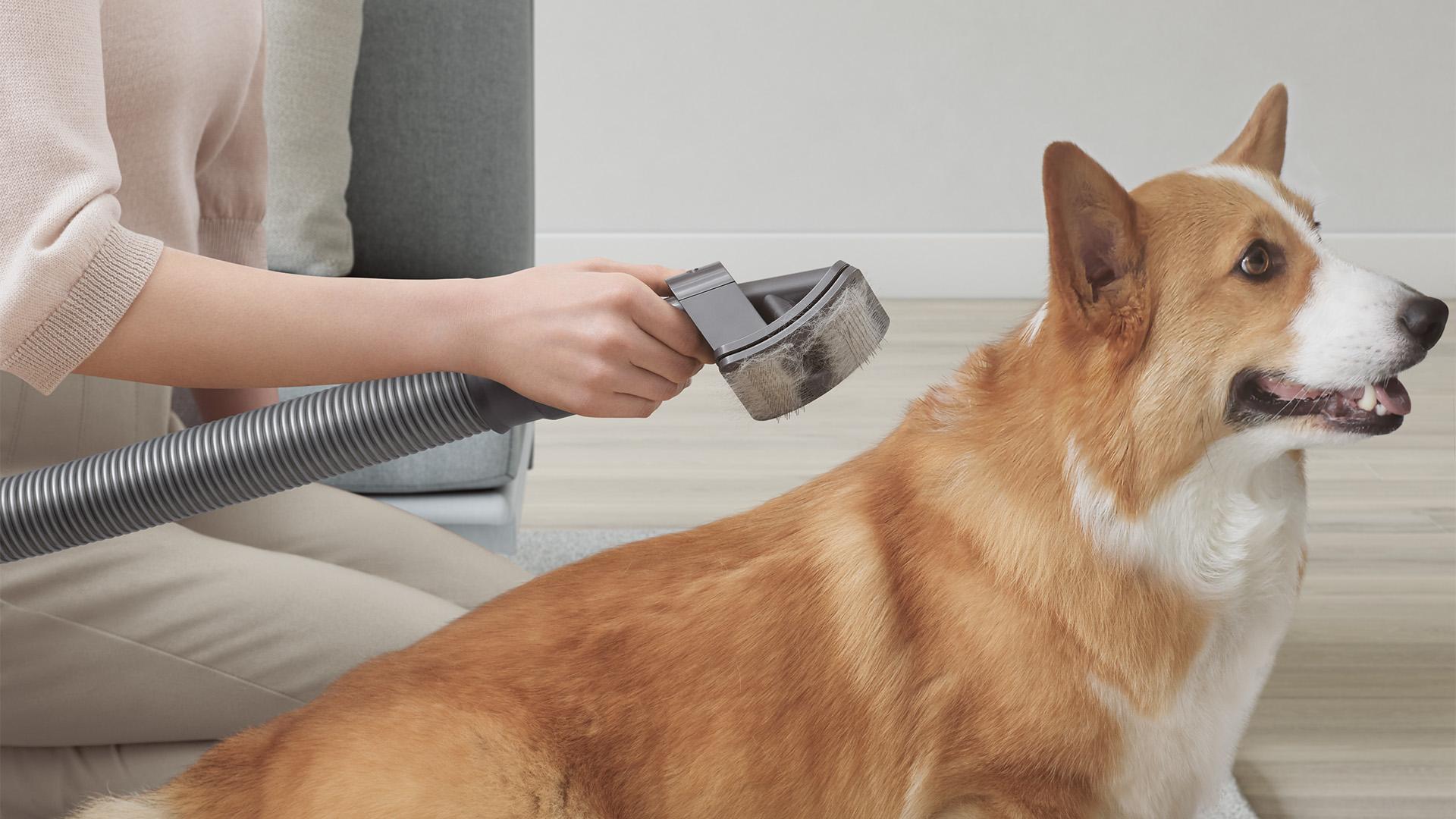
Spot Early Tangles
Regular inspection of a long-haired animal’s coat reveals small fiber clusters before they develop into stubborn mats. Systematic scanning focuses on high-friction zones, using tactile assessment and parting techniques. Early detection enables quick intervention with targeted trimming or smoothing to prevent progression. Records of findings and consistent schedules preserve mobility and comfort while maintaining the animal’s autonomy and natural movement.
Gentle Mat Detangling
When faced with emerging tangles, a methodical, gentle detangling protocol minimizes discomfort and fiber damage. The practitioner isolates mats, applies lubricant or conditioner, and teases fibers with appropriate tools, progressing from edges to core. Incorporating scent desensitization and controlled breaks enhances cooperation. Success depends on owner patience, calibrated force, and monitoring skin integrity to prevent tearing, stress, or secondary mat consolidation.
Preventive Daily Care
Consistently implemented daily routines markedly reduce mat formation and allow safe, incremental removal before tangles consolidate. The caregiver performs systematic coat checks, targeting high-friction zones and underlayers, and employs moisture control to prevent damp clumping. Short, regular brushing sessions, artifact-free tools, and immediate attention to loose debris minimize mat initiation. When small tangles appear, controlled separation and lubrication preserve skin integrity and movement freedom.
Essential Grooming Tools to Own
Typically, a concise kit of specialized tools improves efficiency and coat health for long-haired breeds. The practitioner selects reliable instruments that enable independent, precise maintenance without excess.
- double shearer for bulk removal and contouring
- ergonomic brush for daily detangling and comfort
- stainless steel thinning scissors for controlled texturing
- slicker comb for stubborn mats and finishing
Skin and Coat Health: Nutrition and Care
In support of peak coat condition, targeted nutrition and topical care address follicle function, barrier integrity, and microbial balance. A regimen emphasizes a balanced diet rich in omega fatty acids and diverse protein sources to sustain follicular turnover. Skin supplements may correct deficiencies; topical formulations restore lipids and microbiome equilibrium. Monitoring intake and coat response enables autonomous adjustments while avoiding unnecessary interventions.
When to Seek Professional Grooming
When coat maintenance surpasses routine home care due to matted fur, recurrent skin irritation, or behavioral resistance to handling, a professional groomer should be engaged promptly. A pragmatic assessment guides professional timing and potential emergency trimming:
- Severe matting obstructs movement, requires de-tangling or clip-out.
- Persistent dermatitis needs diagnostic attention.
- Anxiety impedes safe home care.
- Owner lacks tools or expertise.
Frequently Asked Questions
Can Long-Haired Breeds Swim Without Coat Complications?
Yes. He can swim, though water buoyancy and coat flotation assist propulsion; prolonged exposure raises chlorine sensitivity and salinity effects risk, so meticulous drying, monitoring for matting, and salt/chlorine rinses preserve skin and coat integrity.
How to Groom Senior Long-Haired Pets With Limited Mobility?
Begin by prioritizing comfort: perform gentle stretching, short sessions aiding circulation; employ adjusted bathing with no-rinse or low-water methods; use lightweight tools, frequent spot-cleaning, and scheduled breaks to preserve mobility and dignity.
Are There Breed-Specific Grooming Competitions or Shows?
Yes. He notes formal events: breed showcases focus on breed standards and grooming precision; specialty rankings evaluate presentation, coat condition, and technique. Participation demands strict preparation, documentation, and adherence to regulatory judging protocols.
How to Introduce Grooming to a Fearful Rescue Animal?
Begin with gradual desensitization: pair minimal handling steps with treats, praise, positive reinforcement; monitor stress signals, increase duration progressively, allow voluntary participation, document responses, and adapt protocol to empower the animal’s voluntary choice and autonomy.
Can Human Hair Products Damage My Pet’s Coat?
Yes — human hair products can harm pets. They often contain product ingredients formulated for human pH and hair structure, risking coat damage and skin irritation. Veterinary-specific formulations minimize chemical mismatch and adverse reactions.
Conclusion
Long-haired breeds require systematic, consistent grooming to maintain coat integrity and skin health. Regular brushing, targeted bathing, and prompt mat prevention minimize discomfort and dermatologic issues. Appropriate tool selection and nutrition support barrier function and hair quality. Owners should adopt structured routines, monitor for signs of skin disease, and apply safe dematting techniques. Referral to professional groomers or veterinarians is warranted when mats are extensive, skin lesions appear, or home care fails to control coat problems.